Run production LLMs and diffusion models on dedicated bare-metal NVIDIA and AMD silicon. Zero multi-tenant queueing, deterministic latency, and 70% to 85% lower cost per million tokens.
Every node is bare-metal silicon allocated directly to your workloads. No shared hypervisors or noisy neighbor throttling.
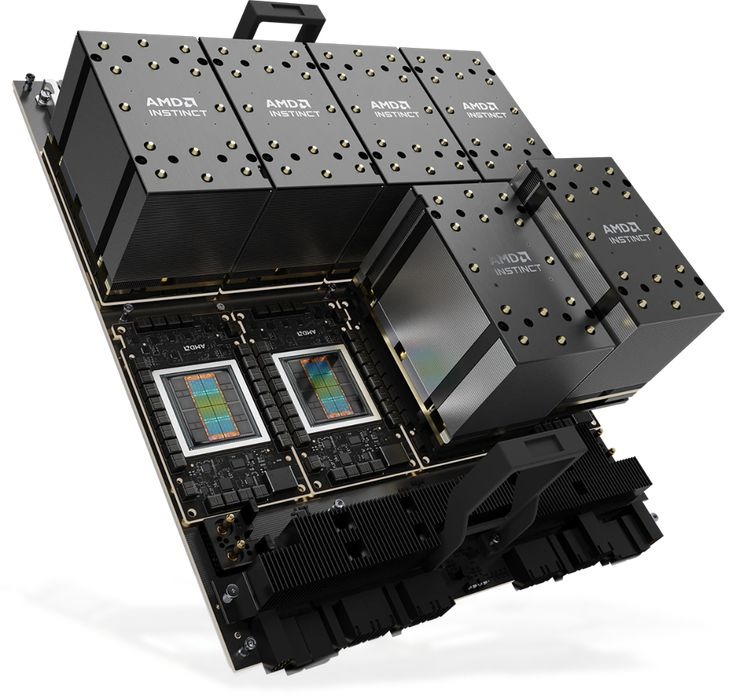
192GB HBM3 per accelerator (1.5TB total memory per node) with 5.3 TB/s memory bandwidth. Built for massive open-weight MoE models like DeepSeek V3 and Llama 3.3 70B.
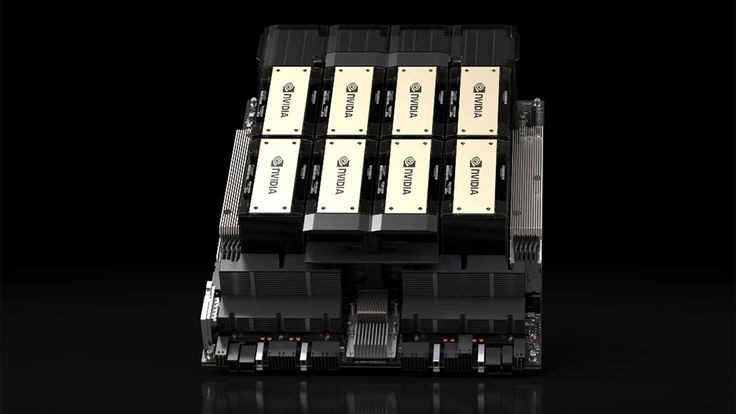
Full 3.35 TB/s memory bandwidth per GPU. 640GB total unified HBM3 pool connected via 900 GB/s NVLink 4.0 for ultra-low latency token generation.
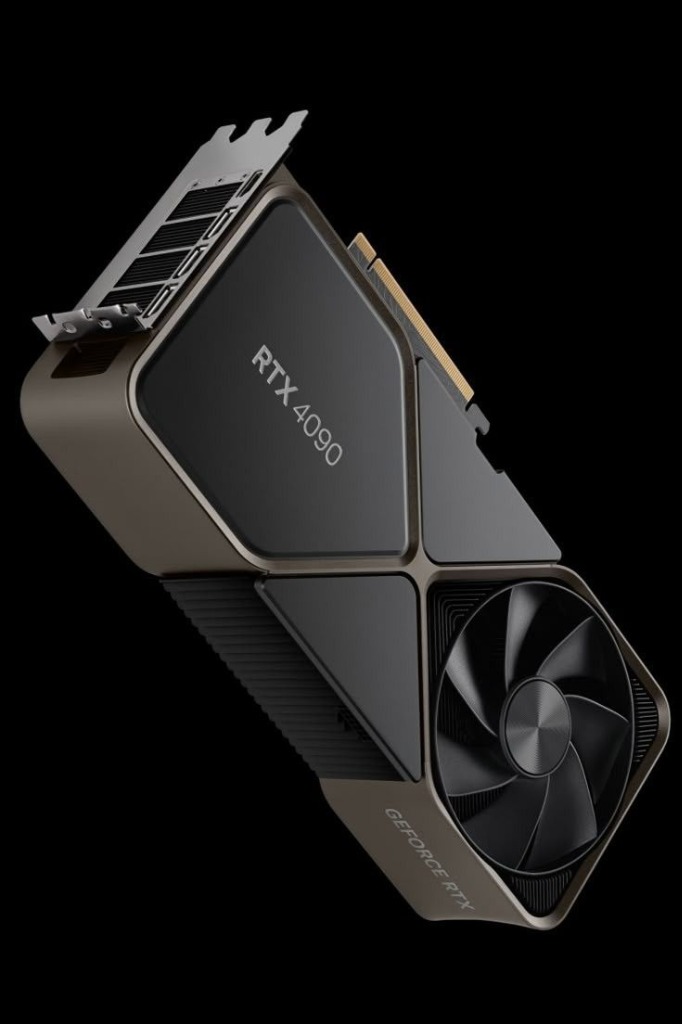
The absolute sweet-spot for running 8B to 32B models, Whisper real-time audio transcription, and Stable Diffusion XL image pipelines at 80% lower cost.
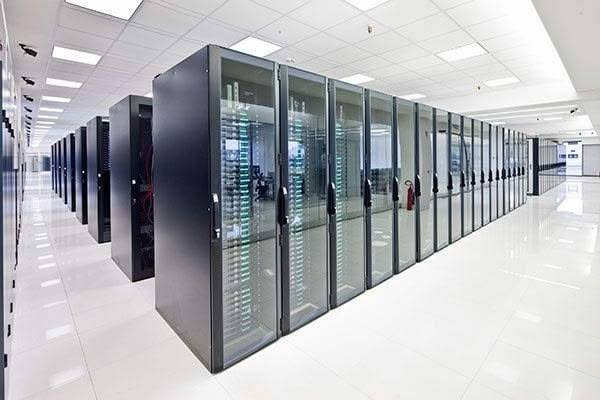
Direct peering with AWS, GCP, and Cloudflare via 400Gbps cross-connects with 2N electrical redundancy and 99.99% uptime guarantee.
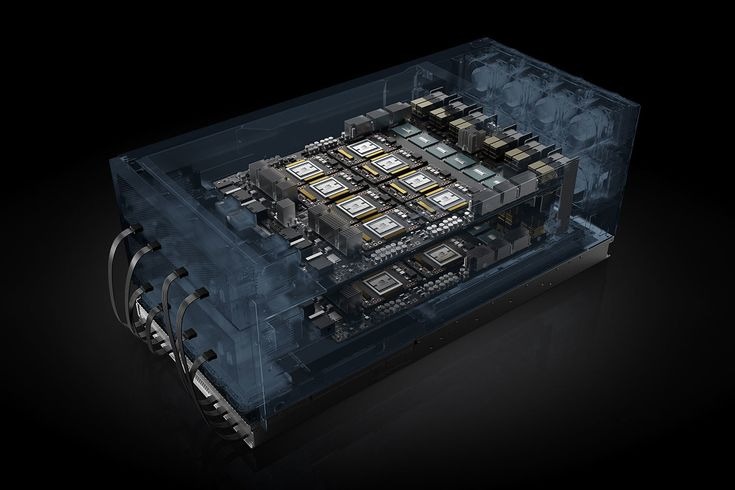
Dual AMD EPYC 9654 processors, 1.5TB DDR5 ECC memory, and Gen 5 NVMe scratch storage capable of 14GB/s model weight loading.
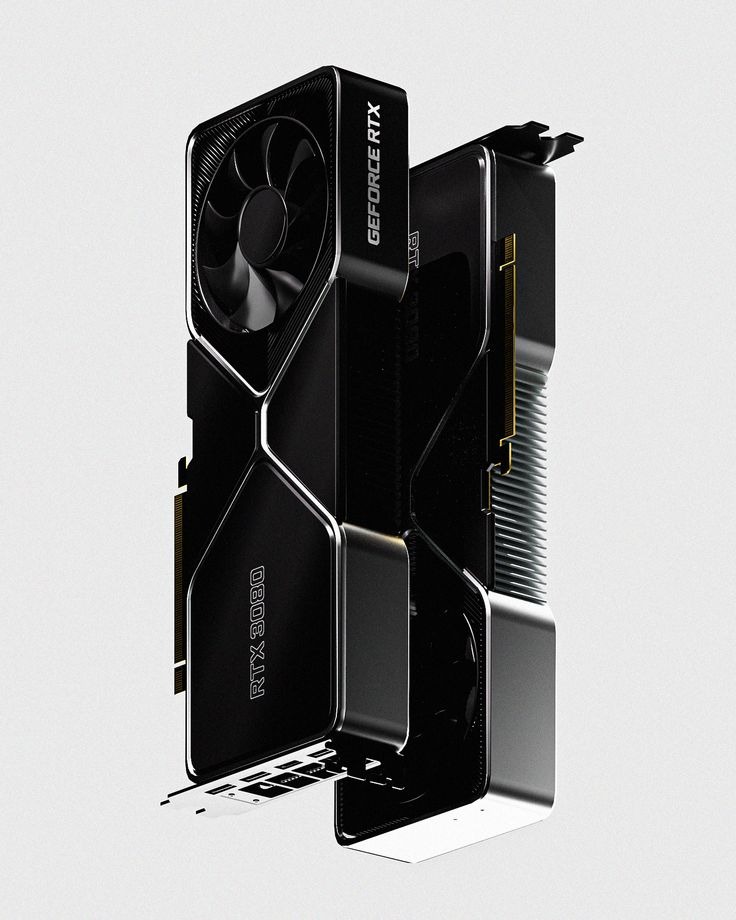
Cost-effective auxiliary compute nodes for RAG vector indexing, asynchronous embeddings, and background evaluation pipelines.
High-performance LLM inference is not a generic compute problem—it is primarily a memory bandwidth and KV-cache management challenge. Here is how our custom bare-metal runtime eliminates bottlenecks:
In standard inference engines, up to 60–80% of GPU VRAM is wasted due to internal and external fragmentation of dynamic Key-Value (KV) caches. Drizzle implements PagedAttention (inspired by virtual OS memory pages), allowing non-contiguous allocation and unlocking up to 4x higher concurrent request batching without out-of-memory errors.
Traditional naive batching locks an entire batch until the longest output sequence finishes generating. Drizzle's runtime runs at the iteration level—as soon as one prompt finishes its token stream, a new incoming request is immediately injected into the next forward pass. This prevents GPU idle cycles and maintains flat TTFT latency under traffic spikes.
Memory bandwidth is the ultimate ceiling during the autoregressive token generation phase. By utilizing hardware-accelerated FP8 Tensor Cores (NVIDIA H100 / AMD MI300X) and Activation-aware Weight Quantization (AWQ), we double throughput while preserving 99.8% of FP16 model perplexity and reasoning accuracy.
Migrating from closed frontier APIs to dedicated bare-metal inference should not require your core engineering team to become low-level CUDA experts. The moment you reserve your cluster, we assign a Primary Migration Engineer directly to your technical team:
Compare the cost of proprietary multi-tenant cloud APIs against reserved bare-metal Drizzle clusters.
Zero code refactoring required. Simply redirect your base URL.
# Point existing client to your dedicated Drizzle cluster from openai import OpenAI client = OpenAI( base_url="https://api.drizzleai.com/v1", # Dedicated Bare-Metal Endpoint api_key="drz_live_enterprise_9x024k1a" ) response = client.chat.completions.create( model="llama-3.3-70b-instruct", messages=[{"role": "user", "content": "Run high-concurrency production inference."}], stream=True )
We don't route technical inquiries through generic ticket desks or automated bots. Every customer has immediate direct access to our systems infrastructure team.
Your assigned primary engineer will conduct architecture review, memory layout audits, and stress testing alongside your team until your inference workload is 100% stable.
Have custom latency goals or a specific cluster footprint? Drop us a note: